GTA 6 NEWS · MIAMI-DADE VS. VICE CITY
Miami’s Top Cop Just Tried to Kill the Real-World Vice City Takeover
For a few weeks, it genuinely looked like Miami was going to rebrand itself as Vice City. County officials had been in talks with Rockstar Games about wrapping metro trains in Grand Theft Auto VI livery, stamping Vice City manhole covers into downtown sidewalks, and greeting travelers at Miami International Airport with “Welcome to Vice City” signage — all ahead of the game’s November 19 launch. Now the plan has slammed into its first, and loudest, wall of opposition: the county’s own sheriff. Miami-Dade Sheriff Rosie Cordero-Stutz and Commissioner Juan Carlos Bermudez are urging the county to walk away from the proposed GTA 6 takeover, arguing that celebrating a franchise built on car theft and crime sends exactly the wrong message about the real community the game is modeled on.
It is, depending on who you ask, either a sensible line in the sand or the most on-brand controversy imaginable: a city debating whether it should officially become the fictional crime capital its most famous fictional resident is about to make billions of dollars satirizing.
What Happened: The Sheriff Draws a Line
Reporting by IGN and NBC Miami 6 laid out the opposition in unusually blunt terms. Cordero-Stutz, who leads the Miami-Dade Sheriff’s Office, framed a county-endorsed GTA 6 celebration as fundamentally at odds with the work her deputies do every day.
“Grand Theft Auto is a video game franchise built around criminal activity. Its fictional world includes murder, robbery, drug trafficking, carjacking, violence against law enforcement, and other conduct that the men and women of the Miami-Dade Sheriff’s Office work every single day to prevent,” Cordero-Stutz said, per NBC Miami 6.
She didn’t stop there. “At a time when law enforcement is working every day to reduce violent crime, prevent robberies and car thefts, combat drug trafficking, and build stronger relationships between our deputies and the communities we serve, I believe we need to seriously consider the message we send when our own government promotes a fictional identity centered around many of those same crimes.”
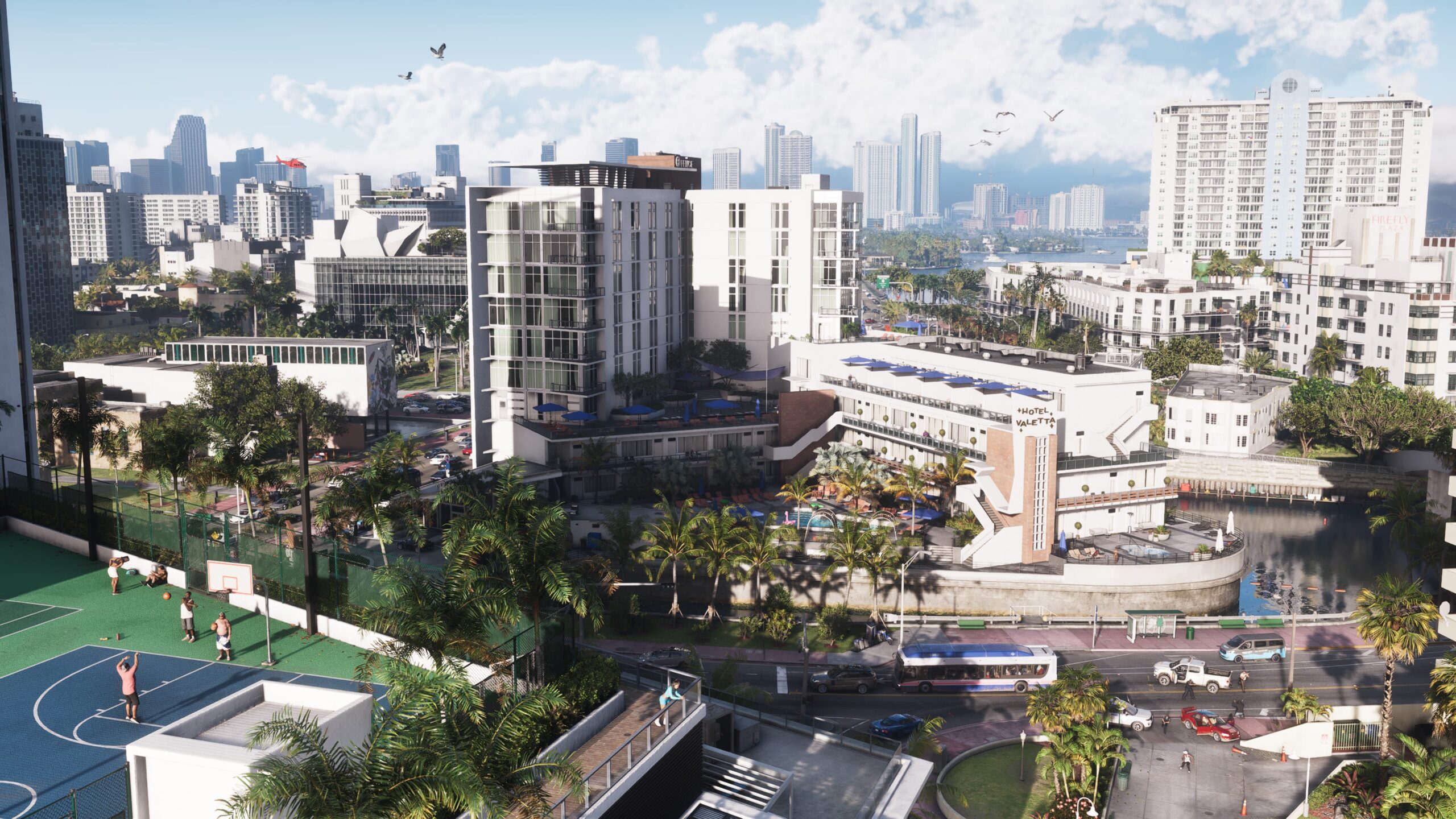
Commissioner Bermudez went after the plan’s most visible symbol — the airport. “I still cannot believe that we are even considering temporarily rebranding important County assets, including Miami International Airport, as ‘Vice City Airport,'” he said. “Miami-Dade County has spent decades building a reputation as a world-class destination for tourism, business, investment, and opportunity. We should be promoting the Miami-Dade we have worked so hard to build, not a fictional version of our community defined by crime and violence.”
Two officials don’t kill a deal on their own. But with the sheriff’s office and a sitting commissioner publicly opposed, a proposal that was already unapproved now faces genuine political headwinds — and IGN notes it’s genuinely unclear what the takeover looks like from here.
Context: How the Vice City Takeover Idea Was Born
The backstory makes the fight even better. In late August, local outlets reported that Miami-Dade officials had held multiple conversations with Rockstar Games about a GTA 6-themed marketing takeover timed to launch. According to reporting from 93.3 FLZ, the mayor’s administration assembled an official 19-page pitch deck, obtained by local media, sketching a sweeping, immersive blend of the real Magic City and its fictional digital counterpart.
The ideas were remarkably specific:
- Transit takeover: Metromover cars wrapped in Vice City colors, with signage across major Metrorail stations like the Stephen P. Clark Government Center, Brickell, and Bayfront Park.
- Street-level dressing: artist-designed Vice City manhole covers and utility-box wraps across Downtown and Brickell.
- Airport rebrand: “Welcome to Vice City” signage at Miami International Airport — the detail Bermudez singled out as unbelievable.
- Beach upgrade: a Vice City-inspired sculptural sign or photo-frame overlook at Rickenbacker Beach, paired with bike racks and water-bottle refill stations.
The county’s framing was pragmatic: nothing had been formally agreed or approved, any idea would go through proper review, and given Miami-Dade’s obvious influence on the game, officials saw “a unique opportunity to generate revenue for the County while showcasing Miami-Dade to a massive audience.” In other words: the biggest entertainment launch of the decade wants to rent our skyline — why say no?
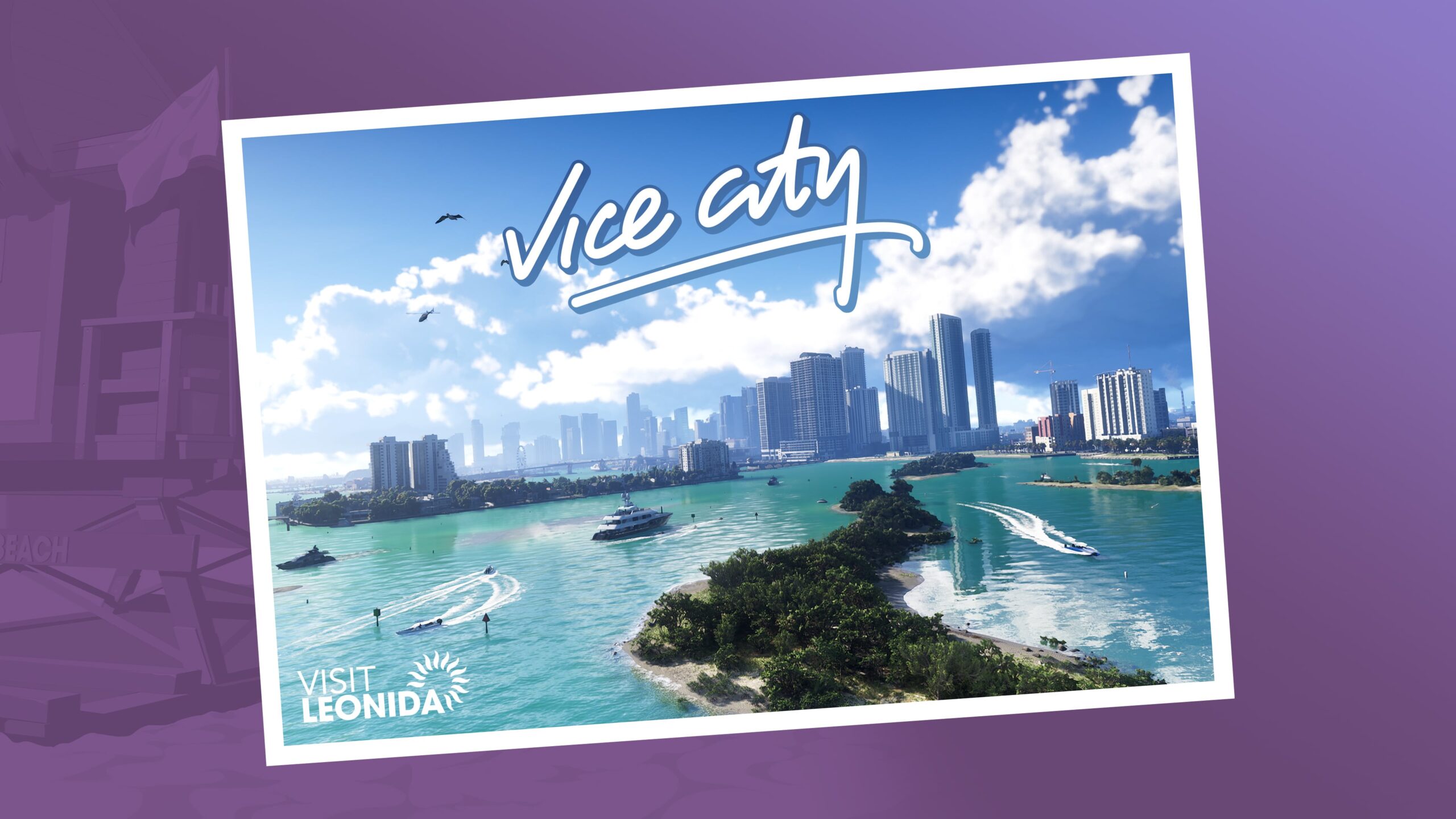
And to be fair to the county’s enthusiasm, the fiction really is that close to the reality. Rockstar has recreated Miami’s most iconic locales and architecture so faithfully that fans have already tracked down Jason and Lucia’s real-life Miami apartment building from trailer footage. When the game’s version of your city is accurate enough to navigate by, the line between “promoting Miami” and “promoting Vice City” gets blurry fast.
The Central Irony: Love Letter or Insult?
Strip away the politics and this is a very old argument about Grand Theft Auto in new clothes. To players, Vice City is a love letter — a sun-bleached, neon-soaked celebration of South Florida’s look, sound, and chaos. To a sheriff’s office, it’s a simulator whose core verbs include the exact crimes (carjacking, robbery, drug trafficking) they prosecute daily. Both readings are accurate. That’s what satire is.
Rockstar, for its part, has always insisted the parody is deliberate and careful. The studio recently explained why GTA 6 won’t directly parody real political figures — “we have to be careful,” as one developer put it — and the game’s humor aims at institutions and culture rather than at Miami itself. But there’s a difference between a private company satirizing a city and that city’s own government underwriting the satire with public assets. That’s the line Cordero-Stutz and Bermudez are drawing, and it’s not a crazy one.
The counterargument writes itself too: Miami has spent decades being a screen destination for crime fiction, from Scarface to Miami Vice to Bad Boys. GTA 6 didn’t invent the association — it inherited it, polished it, and put a reported 600,000 animations of polish into it. Rejecting the takeover doesn’t uncouple Miami from Vice City. Nothing will at this point.
What This Means for GTA 6
Short version: nothing, and everything.
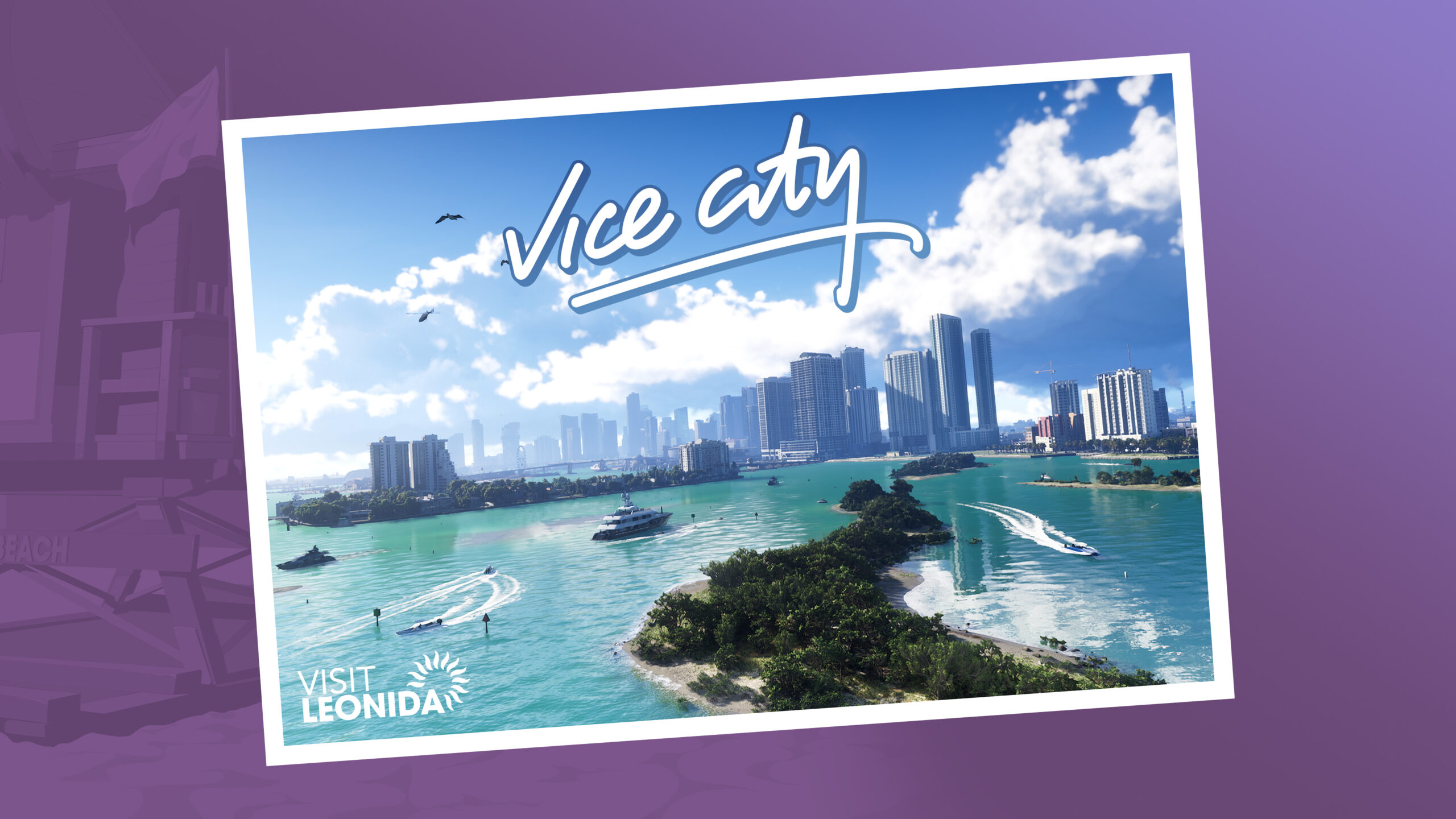
The game is untouched. Grand Theft Auto VI launches November 19, 2026 on PS5 and Xbox Series X|S, and Rockstar’s marketing machine is already operating at a scale no city partnership could match — a 26-minute Netflix Extended Look, two limited-edition DualSense controllers, and a pre-order juggernaut you can break down in our complete GTA 6 pre-order guide. Whether or not a single Metromover car gets wrapped, GTA 6 will be the biggest entertainment launch of the year.
But symbolically, losing Miami would sting. Vice City isn’t just GTA 6’s setting; it’s the franchise’s most beloved identity, and a real-world Miami takeover would have been the kind of marketing moment that transcends gaming media entirely — airport arrivals literally stepping into the game’s world. That’s now in doubt, and the county’s next moves (a commission vote, a scaled-back compromise, or quiet death by committee) are worth watching.
There’s also a case that the fight itself is the marketing. Every headline asking “should Miami become Vice City?” reinforces the exact idea Rockstar wants planted: that this game’s world is indistinguishable from a real place people already love. The sheriff’s office and the commissioner are, unintentionally, running one of the most effective GTA 6 awareness campaigns of the season — for free.
And one more wrinkle worth noting: opposition to GTA 6’s cultural arrival is coming from all directions now. The same week county officials debated rebranding an airport after the game, social media was lit up with spouses arguing that the game’s relationship mechanic counts as real-world cheating. A game about fictional crime in a fictional Miami is now a genuine factor in real marriages, real county politics, and real airport signage debates. Rockstar couldn’t script better pre-launch buzz if it tried.
The Bottom Line
A sheriff and a commissioner versus a video game company over manhole covers and airport signs is a uniquely 2026 kind of zoning fight — and it’s happening because the game in question has become bigger than the city it imitates. Whatever the county decides, Vice City has already won the underlying argument: come November 19, millions of people around the world will see Miami through GTA 6’s lens, whether Miami-Dade’s government signs off on the manhole covers or not.
Want GTA 6 news the second it drops? Join the Locals — free newsletter, no spam.
Related reading