GTA 6 NEWS · RETROSPECTIVE
GTA III at 25: The Legacy Review That Reminds Us Why GTA 6 Exists
With GTA 6 now under 90 days away, the gaming press has found a lovely way to fill the wait: replaying the classics. IGN senior editor Luke Reilly has kicked off a series of Legacy Reviews — replaying every core Grand Theft Auto game in the run-up to November 19 — and his verdict on the one that started it all is in. Twenty-five years after Grand Theft Auto III changed everything, Reilly calls playing it in 2026 “a little like watching a home movie of Usain Bolt learning to walk.” Wobbly, yes. But you’re watching history take its first steps.
What Happened: IGN’s GTA III Legacy Review
The piece isn’t a traditional re-review — no new score, no metanarrative about modern patches. It’s a long look back at what made GTA III remarkable in 2001, and what still holds up when you boot it today. The answer, roughly: the world-building, always. The shooting and mission design, almost never.
Reilly’s core observation is one longtime fans will feel in their bones: GTA III didn’t invent every ingredient of the open-world formula, but it was the first game to fuse driving, action, story, and exploration into one seamless 3D world — before anyone had a blueprint for doing it. Where the top-down GTA games of the late ’90s felt like “playing cops and robbers with toy cars,” the PlayStation 2 leap put you inside a living city. Traffic flowed whether you were watching or not. Day turned to night. Rain rolled in. In 2001, that was sorcery.
The Numbers Behind the Legend
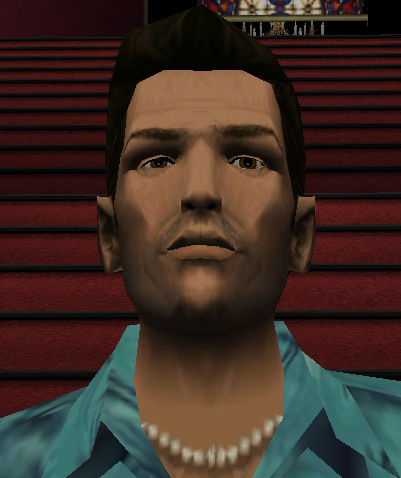
It’s easy to forget how absurd GTA III‘s success was. Released October 22, 2001 for the PlayStation 2, it sold over 14.5 million copies lifetime — 11.6 million of them on PS2, making it one of the best-selling games in the system’s history. It was the best-selling game of 2001 in the United States, it minted the modern Rockstar, and it sits on a Metacritic score of 97 that remains the highest in franchise history.
The cultural half of that legacy is even bigger. As the review notes, you can trace True Crime, Saints Row, Watch Dogs, and Sleeping Dogs directly back to the template GTA III established: one big map, missions scattered across it, endless vehicles, believable radio, and the freedom to poke the world and see how hard it pokes back. Sam Houser famously pitched the DNA as “Zelda meets Goodfellas.” The whole industry spent the next two decades iterating on what DMA Design and Rockstar North shipped in 2001.
The Radio Did the Heavy Lifting
One of the review’s most affectionate threads is the audio. GTA III kept the best ideas bubbling over from the top-down era — the hilarious custom radio commercials, a random fascination with Elvis Presley, even an optional top-down camera as a nostalgia toggle — and fused them with a licensed soundtrack for the first time in series history. Anyone who played it in 2001 can still recite chunks of Chatterbox FM, the talk-radio station where host Lazlow fielded a cavalcade of insane callers. Being behind the wheel, Reilly notes, was the only way to hear it all — a sneaky trick that made cruising Liberty City feel like hanging out, not just traveling.
That radio DNA runs all the way to 2026. The Extended Look’s soundtrack breakdown gave us 14 confirmed songs from Phil Collins to Cliff Richard, and the fake-ad tradition is alive and well — see the Angstipan antidepressant commercial and the 30,000-calorie Prairie Sandwich. Twenty-five years on, Rockstar is still riffing on the format GTA III perfected. Our full Extended Look soundtrack rundown has every track confirmed so far.
The Silent Protagonist Problem — and Liberty City as the Star
Reilly doesn’t sugarcoat the rough edges. The auto-lock targeting — where only the M16-style rifle, rocket launcher, and sniper rifle support manual aim — means firefights regularly lock onto “nearby grandmas, allies, or overzealous paramedics” instead of the people shooting at you. There are no mission checkpoints, so failing an objective means driving all the way back to the mission marker and starting from scratch. The voice cast is a murderers’ row of crime-fiction legends — Frank Vincent, Michael Madsen, Joe Pantoliano, Robert Loggia, Kyle MacLachlan, Debi Mazar — but with a silent protagonist and one-dimensional supporting characters, Reilly argues the real star of GTA III is Liberty City itself: grimy industrial Portland, Manhattan-inspired Staunton Island, and leafy suburban Shoreside Vale, rationed out as the story unfolds. (His least favorite of the three? Shoreside Vale, which gets a nod only as home of the infamously tricky-to-fly Dodo plane.)
It’s a striking contrast with where the series is now. GTA 6’s Lucia Caminos and Jason Duval are voiced, motion-captured, and — per everything Rockstar has shown — the emotional core of the entire game, with a full relationship system tracking their bond. In 2001, the protagonist didn’t say a word and the city had to carry the story. Twenty-five years later, the city still carries the story — Leonida is arguably GTA 6’s biggest character too — but now it has two leads who can actually talk back.
And yet the verdict lands as a love letter: Vice City “oozed dramatically more style” and San Andreas went bigger, but both are “just improved versions of it.” The closing line is the one making the rounds today: “GTA III didn’t just show us what an open world game was. It showed us what an open world game could be.”
The review also makes a point that’s easy to miss in 2026: GTA III‘s success wasn’t inevitable, and the genre didn’t lack for competition. Driver 3 was coming, Mafia had been in development since 1998, The Getaway was well underway — the 3D open-world space was already forming. But as Reilly puts it, none of those early rivals “accomplished what GTA III did with nearly the same aplomb,” and none matched its “unhinged energy” or its blend of driving, action, story, and exploration. GTA III didn’t have the lane to itself — it just ran the lane so hard everyone else spent 25 years chasing it.
What This Means for GTA 6
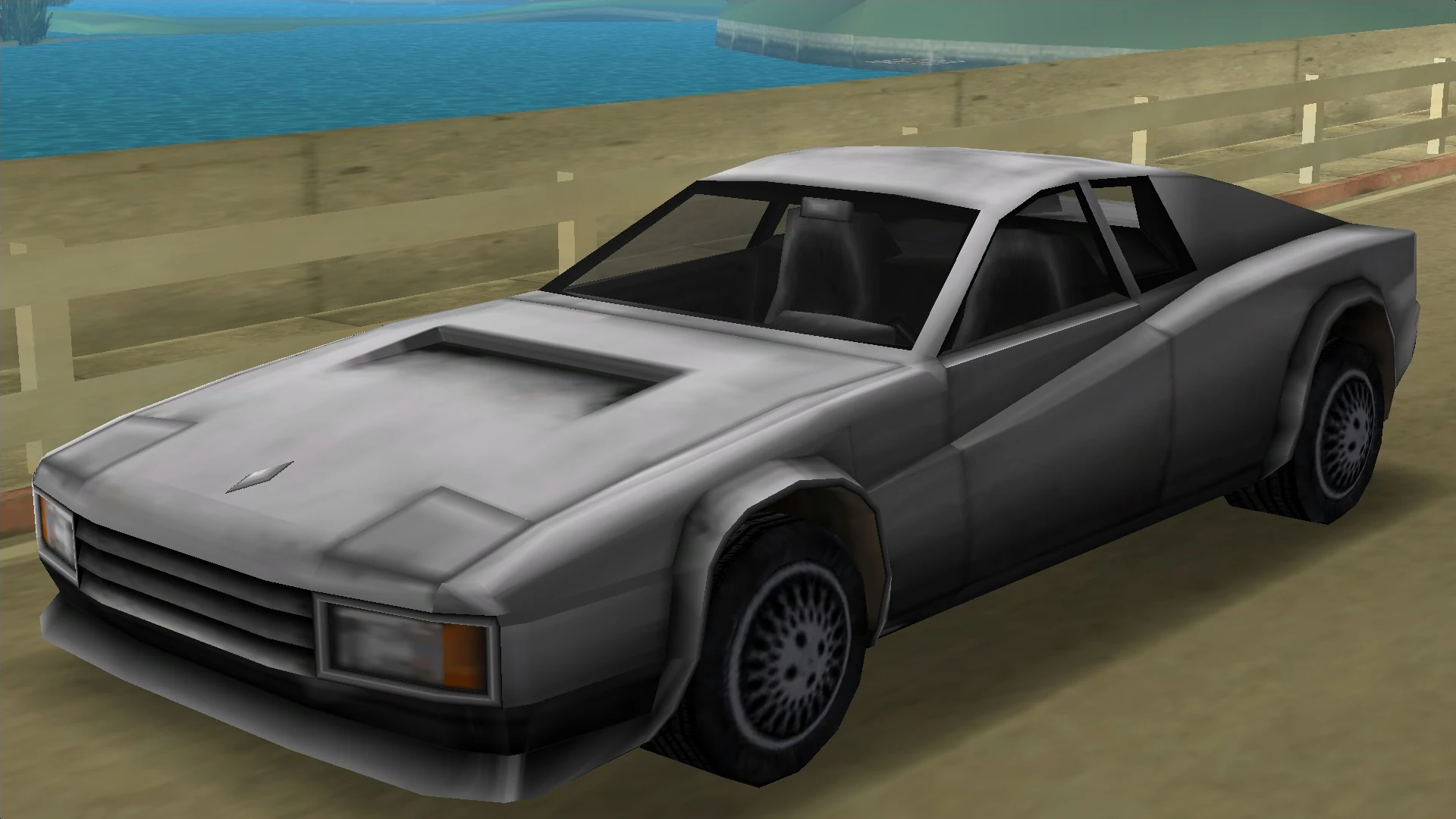
There’s a neat symmetry here that IGN’s replay project only underlines. GTA III gave the series its 3D identity in Liberty City. Its 2002 sequel took that formula to Vice City — and now, 24 years later, GTA 6 is taking the series back to Vice City with Lucia Caminos and Jason Duval, in a State of Leonida that’s reportedly twice the size of GTA 5’s map. Some ideas are just coming home: the six-star Wanted system, a GTA III-era staple missing since the HD universe, is officially back — and our GTA 6 Wanted system breakdown covers just how much deeper it now goes.
The Legacy Review series is also just a great way to spend the next 12 weeks. If you want the full route ourselves, our things to do while waiting for GTA 6 guide already had a replay plan baked in — and the easiest way to revisit the trilogy today is the GTA: Trilogy – Definitive Edition on Amazon, which packs GTA III, Vice City, and San Andreas in one package.
Want GTA 6 news the second it drops? Join the Locals — free newsletter, no spam.
GTA III Legacy Review — Quick FAQ
When did GTA III come out?
October 22, 2001, on PlayStation 2, with PC and Xbox versions following in 2002 (the Xbox release shipped as part of the Double Pack with Vice City).
How many copies did GTA III sell?
Over 14.5 million lifetime, 11.6 million of them on PS2 — and it was 2001’s best-selling game in the United States.
Will IGN review the other GTA games too?
Yes — Reilly’s Legacy Review project continues through the core series in the lead-up to GTA 6’s November 19, 2026 launch on PS5 and Xbox Series X|S.
Related Reading
- GTA 6’s Extended Look: Every Big Reveal From Rockstar’s Netflix Premiere
- GTA 6’s Wanted System Overhaul: Six Stars, Witnesses, and Your Criminal Profile
- Things to Do While Waiting for GTA 6
As an Amazon Associate, I earn from qualifying purchases.